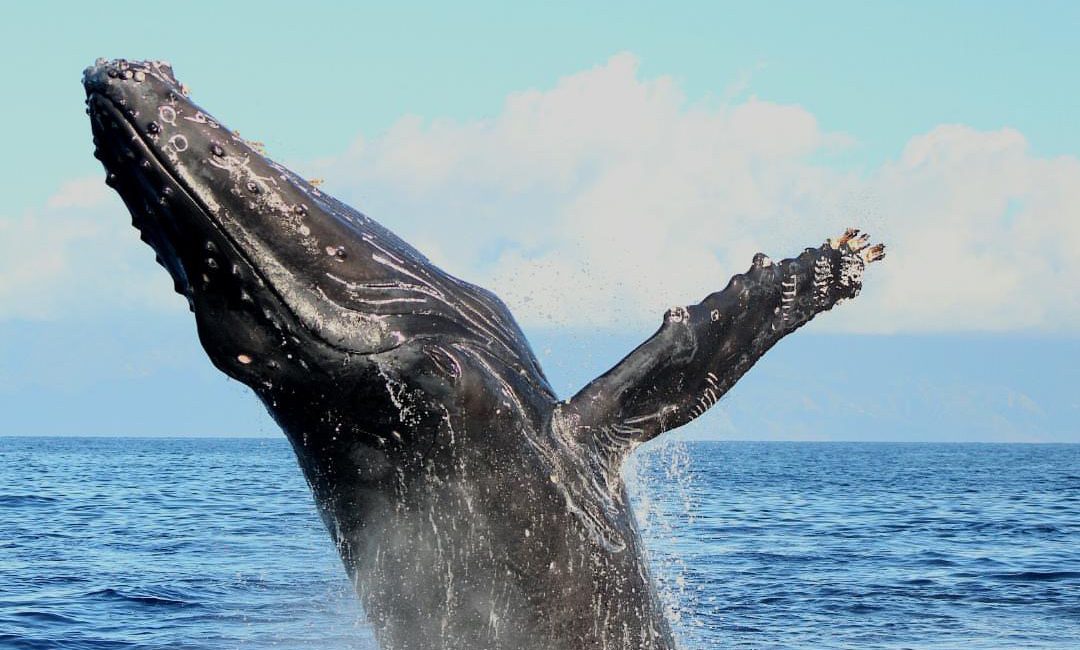
Whale Breaching in Maui, Hawaii by Levi Kinney
The Last Giants: Why Whales, Whale Sharks, and Manta Rays Hold the Future of Our Ocean
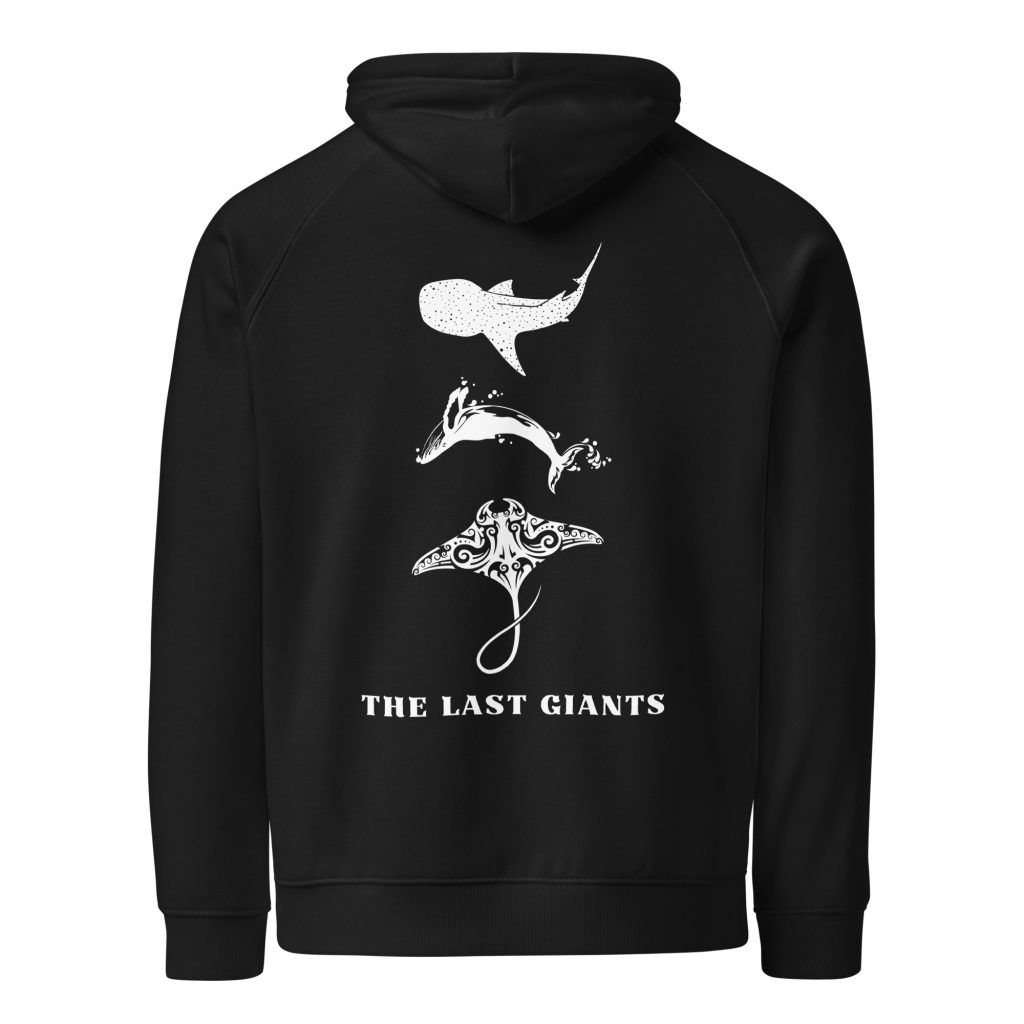
Across the world’s oceans, a few species rise above the rest and not because they demand attention, but because they quietly sustain life beneath the surface. These giants include whales, whale sharks, and manta rays, each playing a vital role in the health of the ocean and the balance of the climate. The Last Giants design was created to honor these species and share the story of why protecting them is critical for our future.
Why These Giants Matter More Than Most People Realize
Whales: The Architects of a Balanced Ocean
Whales are ecosystem engineers. Their daily movements fertilize the ocean through the “whale pump,” a process that lifts nutrients from the deep sea to surface waters. These nutrients feed phytoplankton, tiny plants responsible for producing over half of Earth’s oxygen and capturing massive amounts of carbon.
Whales also store carbon in their bodies. When a whale dies naturally and sinks, it takes tons of carbon with it, locking it away at the seafloor for centuries. Rebuilding global whale populations could meaningfully combat climate change.
Whale Sharks: Gentle Giants That Keep Food Webs Stable
As the largest fish on the planet, whale sharks filter-feed on plankton, helping regulate plankton blooms and maintaining the stability of marine food webs. Healthy plankton populations support everything from small fish to apex predators, making whale sharks essential for ocean balance.
Whale sharks also move huge distances, connecting ecosystems across thousands of miles and redistributing nutrients as they migrate.
Manta Rays: The Ocean’s Quiet Gardeners
Manta rays are vital contributors to nutrient cycling. They feed in dense plankton blooms, moving energy through the food chain and supporting biodiversity in the areas they frequent.
Their slow reproductive rate (one pup every few years) means the loss of even a small number of mantas can devastate populations. Protecting them ensures whole ecosystems remain stable, particularly in tropical and subtropical waters where biodiversity is highest.
Modern Threats Facing the Last Giants
Despite their importance, these species face growing challenges:
Ghost nets and abandoned fishing gear
Entanglement is one of the leading threats to whales, whale sharks, and mantas. These nets drift for years, capturing anything in their path. Manta rays are especially vulnerable because of their wide wingspan.
Ship strikes
Large vessels often cross critical feeding and migration routes. Whales and whale sharks frequently fall victim to collisions and many never surface again.
Noise pollution
Underwater noise disrupts whale communication, mating, and navigation. It can also shift manta and whale shark behavior, pushing them away from feeding grounds.
Climate change
Warming waters alter migration routes, prey availability, and breeding grounds. Coral reef decline impacts manta feeding zones, while changing currents redirect whale shark aggregations.
Demand for body parts
Manta rays are heavily targeted for their gill plates, which are sold in certain traditional markets. This demand has led to severe declines in some populations.
These species have survived for millions of years—yet human impact threatens them more than any natural predator.
Why I Chose Whales, Whale Sharks, and Manta Rays for This Design
The Last Giants design brings together three species that symbolize strength, vulnerability, and interconnectedness.
Whales represent the heartbeat of the ocean.
Whale sharks remind us that size and gentleness can coexist.
Manta rays embody grace, intelligence, and the fragility of slow-reproducing species.
Together, they tell a story about what we stand to lose—and what we still have the power to protect.
My goal with this design is not just to create art, but to spark conversations that lead to awareness. When someone asks about your shirt, that moment becomes meaningful. It’s a chance to educate, connect, and inspire action.
How We Can Help Protect These Giants
• Support organizations focused on disentanglement, marine sanctuaries, and species monitoring.
• Choose sustainably caught seafood to reduce bycatch.
• Reduce plastic consumption and support policies addressing waste and ghost gear recovery.
• Avoid tourist operations that allow touching, chasing, or riding whale sharks or mantas.
• Share educational content—awareness drives change.
Every small action creates momentum.
A Future Where Giants Still Rise, Glide, and Wander
Whales, whale sharks, and manta rays have shaped the ocean for millions of years. Whether they continue to do so depends on the choices we make today. Protecting the last giants isn’t just about saving iconic species. It’s about preserving the balance of the ocean itself.
The Last Giants design is a reminder that we still have time. We still have power. And we still have a responsibility to these ancient caretakers of our blue planet.
Sources & Further Reading
• International Whaling Commission – Whale ecology & conservation
• WWF – Whale Shark Conservation
• Manta Trust – Research on manta rays
• NOAA Fisheries – Threats to large marine species
• ScienceDirect – Studies on the whale pump and ocean carbon cycling
• IPBES Global Assessment – Impacts of human activity on marine megafauna
.